
Facebook, Instagram, TikTok, Google: Which Platforms Actually Matter for Pubs in 2026
By Tom Fairhall | Pub Post Pro | April 2026Every pub landlord with a phone gets the same advice from well-meaning friends: you need to be on TikTok. Or Instagram. Or Facebook. Or all three. The advice changes depending on who you ask and which article they read last week.
Here is the honest version, grounded in real data.
Across 884 pubs audited in 23 independent brewery estates, the average pub scores 9.40 out of 15 on the Presence pillar. Most pubs have set up a Google listing and one or two social profiles. The problem is not that pubs are missing platforms. The problem is that 80.9% of them have stopped there. They have profiles they do not use, on platforms they joined years ago and forgot about.
The question for most pub landlords in 2026 is not which platform to add. It is whether you are actively using the ones you already have.
This article gives you a decision framework, platform-specific tactics that actually work for pubs, and an honest verdict on TikTok.
Start With the Decision Framework
Before anything else, answer three questions about your pub:
Is your pub food-led? Do people visit primarily to eat, or do you have a kitchen worth showing off? If yes, prioritise Instagram alongside Google Business Profile. Food photography is the highest-converting content type for pubs on visual platforms. Is your pub community-led? Is your core offer regulars, quiz nights, local events, darts leagues, the Tuesday afternoon crowd? If yes, prioritise Facebook. This is where your audience lives and where event discovery happens. Do you run events? Quiz nights, live music, themed evenings, charity nights? If yes, you need both Facebook Events and Instagram. Events are the single highest-return social media activity for pubs. None of the above? You are probably a town-centre boozer, a quiet local, or a pub in transition. Focus on Google Business Profile only until your offer is defined. A consistent, well-managed GBP will do more for Tuesday-night footfall than anything else.The framework in brief:
| Pub type | Primary platform | Secondary platform | Skip |
|---|---|---|---|
| Food-led | Google Business Profile | TikTok | |
| Community-led | Google Business Profile | TikTok | |
| Events-led | Facebook + Instagram | Google Business Profile | TikTok |
| All others | Google Business Profile | (none) | Everything else |
Google Business Profile: The Platform Nobody Talks About Enough
Before we discuss social media, we need to talk about the platform that drives more pub footfall than any other, and that almost nobody describes as social media.
Google Business Profile (GBP) powers Google Maps, local search results, and the knowledge panel that appears when someone searches your pub by name. When someone searches "pub near me" at 6pm on a Friday, the pubs that appear in the Maps 3-pack are the ones with verified, complete, actively managed GBP listings. Everything else is secondary.
Our data shows that the Reputation pillar (Google rating and review presence) is the strongest in the entire dataset at 79.5% of its maximum score. Most pubs have a GBP listing and a reasonable star rating. But a high rating alone does not win Maps rankings. Review volume matters too, and the Volume pillar averages 71.2%. The pubs that dominate Google Maps in their area are those with the most reviews, not the best rating.
For pubs scoring 10 on volume (approximately 50-99 reviews) or 7 (20-49 reviews), building review count is the single highest-return digital activity available. That group makes up 36.6% of all pubs audited. More reviews means higher Maps ranking. Higher Maps ranking means appearing when someone two streets away decides they want a pint.
Three things to do on GBP this week
Post weekly updates. GBP posts work like a social feed: you can publish text, photos, and offers directly to your Maps listing and knowledge panel. A weekly post about an event, a menu change, or a seasonal offer keeps the listing active and signals to Google that the business is current. Most pubs never do this. Manage the Q&A section. GBP listings have a public Q&A section where anyone can ask questions, and anyone can answer them. Check yours now. You may have unanswered questions about parking, dogs, or opening hours that are sitting there without a response, or answers supplied by strangers that are wrong. Answer every question yourself. It takes ten minutes and directly affects whether people visit. Upload photos monthly. GBP listings with recent, high-quality photos receive significantly more engagement than those with old or no photos. Aim for at least one new photo per month: the bar on a busy night, the specials board, the beer garden in good weather. It does not need to be professional photography.Facebook: Still the Engine of UK Pub Discovery
The received wisdom in marketing circles is that Facebook is dying. Its audience is ageing, the algorithm is hostile to pages, and young people are not on it.
All of that is true in a national advertising context. It is not true for a local pub.
For British pubs, Facebook remains the primary social platform. The reason is straightforward: the people who spend the most in pubs (35-65 year olds with disposable income and a connection to their local community) are consistently active on Facebook.
A landlord optimising for the TikTok audience is optimising for the customers who spend the least. A landlord maintaining a Facebook page is reaching the customers who book the Christmas party and come back every week.
The presence data from our 884-pub audit confirms this is where pub social presence is concentrated. 80.9% of pubs have a basic social profile, and in most cases that is a Facebook page. The problem is not the platform. It is the abandonment rate: Engagement and Content both score around 20% of maximum across the industry. The pages exist. They just have not been touched in months.
Set your page up properly first: the 5-minute audit
Before you start posting, spend five minutes making sure your page is actually set up to do its job. A lot of pub Facebook pages are missing basic information that directly affects whether people visit or call.
Category. Your page category should be "Pub" or "Bar," not "Local Business" or "Food & Drink." The category affects how Facebook classifies your page in searches and recommendations. About section. This should include a sentence describing your pub, your key selling points (real ale, dog-friendly, live music, whatever applies), and your location. Write it for someone who has never been before. Opening hours. Keep these current. Facebook now shows opening hours prominently on mobile, and incorrect hours create frustration and lost trade. If your hours change for bank holidays or special events, update them and change them back. Cover photo. This is the first thing people see. It should show your pub looking its best: a good exterior shot, a busy evening, or a well-presented pint. Use your phone in landscape orientation, daylight if possible. Avoid logos or graphics unless you have a design background. Action button. The button at the top of your page can link to your website, send a WhatsApp message, or display a phone number. Choose whichever makes it easiest for a new customer to take the next step. If you take bookings, link to your booking system. If people typically just call, use the phone option.That's the audit. Five minutes, and your page will already be doing more than the majority of pubs in the country.
The Facebook Events tactic (step by step)
Facebook Events is the most underused tool in pub social media, and it is free. When you create an event rather than just posting about it, the event becomes searchable, generates reminders for people who indicate interest, and appears in the local What's On section.
Here is how to do it properly:
- Go to your Facebook Page and select "Events" from the left menu, then "Create New Event."
- Give it a specific name. "Thursday Quiz Night: Teams of up to 6" beats "Quiz Night."
- Set the exact date, time, and location. Include your address so the event is geographically discoverable.
- Write a description that includes: what it is, how much it costs, whether teams need to book, and what the prize is. More detail means more attendance.
- Add a photo: a quiz night graphic, a previous night's photo, or just your pub exterior.
- Once created, share the event from the page into relevant local Facebook groups. Not your personal profile: the page. Groups like "What's On in [town]" or the local community noticeboard are read by exactly the people you want.
- The day before and the morning of the event, post a reminder from the page with "Tonight: [event name]. A few spaces left." Urgency drives bookings.
Create an event for every quiz night, live music night, themed evening, and charity event. Not a post. An event.
Boosted posts: £5 a day, done right
Facebook's boosted posts are the most cost-effective paid advertising available to a local pub. A £5-per-day boost for three days before a quiz night will put your event in front of 500-1,500 local people for £15 total. The targeting is simple: choose "People who live near [your pub's location]" within a 5-mile radius, and set the age range to 30-60.
The critical rule: only boost posts that have already received some organic engagement. A post with 10 likes and 3 comments will boost well. A post with zero engagement will boost poorly. Let the post run for a few hours first, then boost the ones that are moving.
Do not boost general page posts. Boost event announcements and posts with a clear call to action ("Book your table now" or "Teams of up to 6, message us to reserve a spot").
Local groups
Every UK town and village of any size has at least one local Facebook group: "Herefordshire Community Noticeboard," "What's On in Cirencester," "Chepstow Locals." These groups are actively used by exactly the demographic that frequents pubs. Join the relevant local groups as your page (not as yourself) and share event posts once per event.
Once, not repeatedly. Over-sharing into local groups will get you banned and create negative associations with your pub. One post per event, from the page, is the right level.
Responding to messages and comments
Facebook now shows your page's response time to messages publicly. A page that responds within an hour shows "Very responsive." A page that takes a day shows something less flattering. This matters because people asking about bookings, events, or opening hours are often making a decision in that moment. Slow responses lose trade to pubs that respond faster.
You do not need to be glued to your phone. But checking Facebook messages twice a day (once in the morning and once in the evening) is enough to maintain a good response rate.
Simple templates for common messages:For bookings enquiries: "Hi [name], thanks for getting in touch. Yes, we'd love to have you, give us a call on [number] and we'll sort out the details."
For opening hours questions: "Hi, we're open [hours]. See you soon."
For event enquiries: "Hi [name], the quiz is on every Wednesday from 7pm, teams of up to 6. No need to book, just turn up. Any other questions, give us a ring."
Keep responses warm and brief. They do not need to be formal.
When to take it offline: if a complaint appears in public comments, acknowledge it briefly and publicly ("Sorry to hear that, can you drop us a message so we can sort this out?") and then handle it privately. Do not argue in the comments. A gracious public response to a complaint often impresses bystanders more than the original complaint damages you.Negative reviews and comments handled well are one of the most powerful reputation signals a pub can send. People know things go wrong. They want to know you care.
Instagram: Right for Some Pubs, Not All
Instagram's role for pubs is more specific than Facebook's, and it is worth being honest about that distinction.
The case for Instagram rests on visual content. If a pub has genuine visual appeal (food worth photographing, an attractive interior, a beer garden, a distinctive aesthetic, or a kitchen that puts up interesting dishes), Instagram is a strong secondary platform. Food-led pubs, destination dining venues, and pubs with character can build real followings through consistent, well-photographed content.
The case against Instagram for many community locals is equally straightforward. A town-centre local with a strong regular base, a modest food offering, and an interior that prioritises comfort over aesthetics will struggle to generate compelling Instagram content consistently. Forcing Instagram on pubs that are not naturally visual businesses creates pressure to post content that feels forced, and strained content is worse than no content.
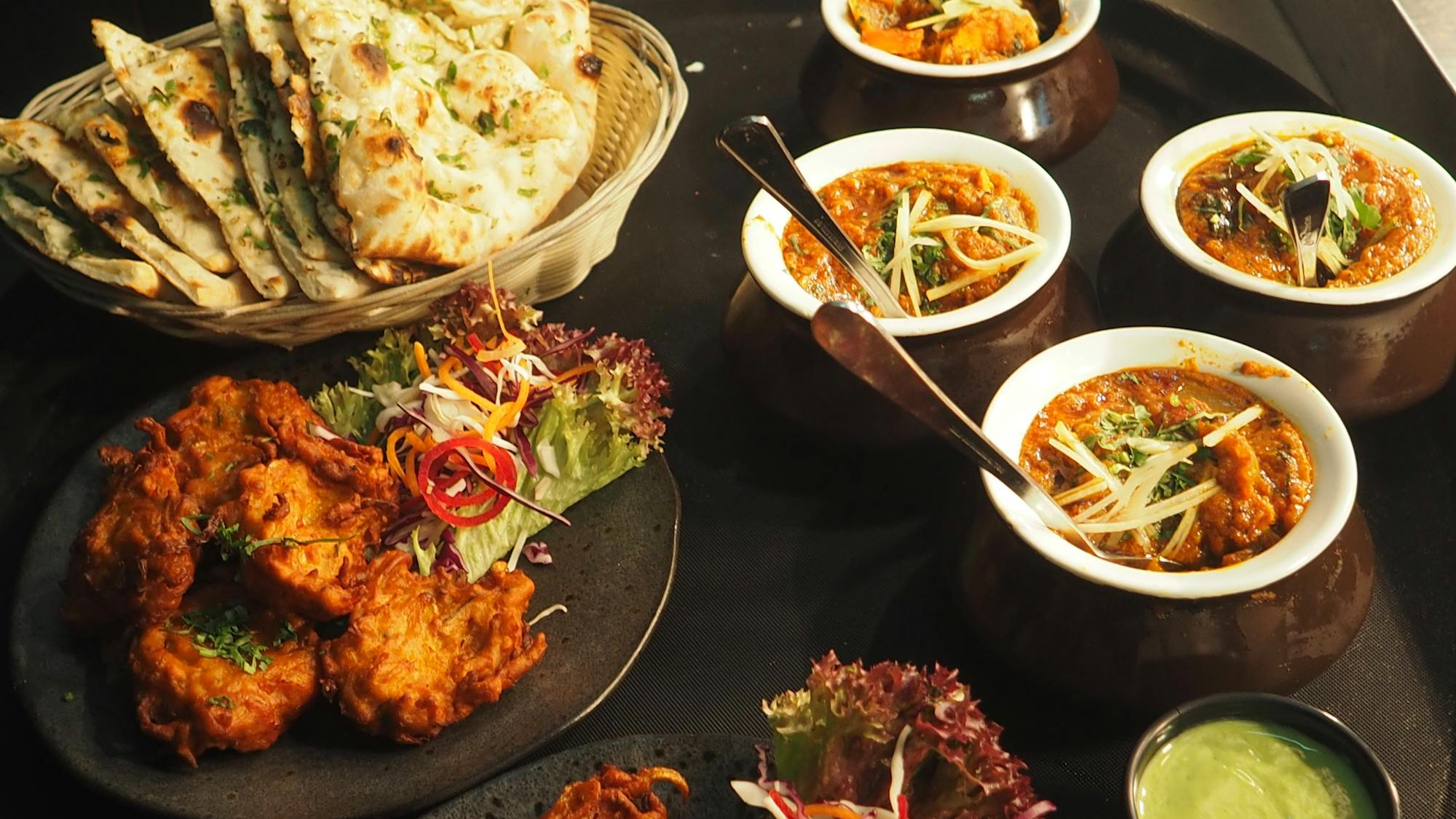
Food photography on a phone camera
You do not need a photographer. You need good light and a clean shot. Here is what actually works for pub food photography with a standard smartphone:
Lighting is everything. Natural light from a window is the single most effective upgrade available at zero cost. Move the plate to a table near a window. Avoid overhead strip lighting: it makes food look flat and unappetising. Do not use flash. Ever. Shoot from above or at 45 degrees. Flat lays (from directly above) work well for plates with multiple components: a Sunday roast spread, a sharing platter, a full English. The 45-degree angle (slightly above, slightly to the side) works better for dishes with height: a burger, a stack, a pint of ale with a head. Avoid shooting straight on at plate level. It rarely flatters pub food. Clean the plate edges. A smear of sauce on the rim of the plate looks worse in a photo than it does in person. Wipe the rim before shooting. It takes five seconds. Keep the background simple. A wooden table, a slate board, or a clean cloth in a neutral colour lets the food be the subject. A cluttered table with condiment bottles and someone's pint glass in the background is distracting. Props add context without clutter. A craft beer glass next to a burger. A small jug of gravy next to a roast. A bunch of wildflowers at the edge of the frame. One or two props that make the scene feel like a place people want to be, not a set decorated for a photo.Stories and Reels for behind-the-scenes content
Instagram Stories (short clips or photos that disappear after 24 hours) are particularly effective for content that would feel too informal for a main feed post: the morning delivery arriving, the chef explaining tonight's special in 20 seconds, the bar being set up before opening, the aftermath of a busy Friday night. Stories get high engagement because they feel authentic rather than produced.
Reels (short video loops, 15 to 60 seconds) are Instagram's highest-reach format and are being actively promoted by the algorithm. A 20-second clip of a Sunday roast being plated, the atmosphere of a busy quiz night, or the beer garden on a summer evening can reach people who do not yet follow you. Post one Reel per week alongside your regular feed posts for maximum reach.
TikTok: Honest Assessment
TikTok for pubs is a real opportunity. It is also not something most landlords should spend energy on in 2026.
Here is the honest version.
TikTok rewards personality over polish. The pubs that do well on it are not the ones with the nicest photography or the most organised content calendar. They are the ones with a landlord who has something to say and enjoys saying it on camera.
A 60-second clip of a landlord explaining why their beer range is better than the pub down the road. A tour of the cellar. An honest answer to "why did you buy a pub?" These outperform polished promotional content every time on TikTok.
If you have a charismatic landlord who genuinely enjoys video, someone who would film a quick clip on a quiet Tuesday and think nothing of it, TikTok is worth trying. The discovery potential is real and the algorithm actively surfaces local content to local audiences. A few UK landlords have built substantial followings and genuine business results.
If you do not enjoy making videos, do not start TikTok. The time cost is real, the learning curve is genuine, and a TikTok account that was started with enthusiasm and abandoned after three posts is actively worse for your pub's credibility than no TikTok account at all. The audience TikTok builds is also younger and more geographically scattered than Facebook's. The person who discovers you through a TikTok video may be 200 miles away.
The rule: start TikTok because you want to, not because you feel you should.
What the Presence Data Is Actually Telling You
It is worth pausing on what the 80.9% figure at presence score 10 actually means.
A score of 10 on presence means a pub has a Google Business listing and one or two social profiles. That is it. It does not mean those profiles are active, accurate, or complete. Only 7 pubs in the 884-pub dataset score 13 on presence, meaning a full, verified, active set of social profiles. All 7 are from Harvey's Brewery. No other estate has managed a single fully complete presence suite.
The gap between score 10 and score 13 is not a question of adding more platforms. It is a question of activating the ones you already have: a verified GBP with recent photos, a Facebook page that posts regularly, an Instagram account that is linked to the page and uses Stories. Three things, consistently done.
The Engagement and Content pillars, the active pillars, both average around 20% of their maximum score. The industry average pub posts almost nothing. Three posts per week across two platforms would move a pub from the average (3 out of 15 on Engagement) to something that would stand out in its local area, because the bar is genuinely that low.
This is the most important sentence in this article: the question is not which platform to add. It is whether you are actively using the ones you already have.
Platform Checklist for 2026
Use this to assess where your pub currently stands.
Google Business Profile- Is your listing verified and do you have manager access?
- Are your opening hours correct (including bank holidays)?
- Have you uploaded at least 10 photos in the last 12 months?
- Have you responded to your most recent reviews, both positive and negative?
- Have you posted an update in the last 30 days?
- Have you checked and answered the Q&A section?
- Do you have a business page (not a personal profile posting as a pub)?
- Have you posted in the last 14 days?
- Are your contact details and opening hours current?
- Do you create Events (not just posts) for every quiz night, live music night, and bookable evening?
- Are you sharing events into one or two relevant local groups?
- Do you have a business account linked to your Facebook page?
- Have you posted a feed post in the last 14 days?
- Do you use Stories at least once a week for behind-the-scenes content?
- Are you using the food photography basics: natural light, clean plate, simple background?
If you can answer yes to all questions in the first two sections, your pub is performing above the industry engagement average. That is not a high bar. It simply reflects how low the current baseline is across the industry.
Further Reading:
Tom Fairhall is the founder of Pub Post Pro, a done-for-you social media service for independent pubs across the UK.